
You are currently viewing a placeholder content from TrustIndex. To access the actual content, click the button below. Please note that doing so will share data with third-party providers.
More Information
Sometimes standard moving solutions are not enough. A special transport is required when the item to be moved has special requirements. Whether it’s large machines, sensitive devices, or valuable artworks – the transport must be carefully planned and carried out professionally. Gebr. Roggendorf GmbH ensures that your goods arrive safely and reliably at their destination.
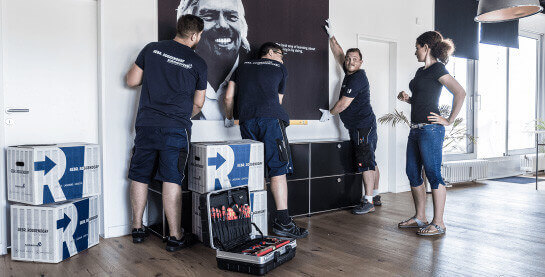
With over 30 years of experience, we offer you custom-made solutions and take care of every detail so that everything runs smoothly – from the first step to final delivery.
A transport is considered special whenever it does not fit into the framework of a standard furniture or general cargo transport. This is the case when the item is too big, too heavy, especially sensitive, or logistically complex – for example, when relocating a clinic, an archive, or when transporting entire server systems. In a city like Cologne, with its narrow streets, bridge restrictions, and many construction sites, such a transport needs detailed planning. Driving times, access, official requirements and the situation on site are much more important than with a classical move.
The types of goods that typically require special transport include:
Machines and industrial equipment: These are often very heavy or cumbersome and require special vehicles.
Artworks and antiques: Depending on the object, these require special packaging know-how (e.g. suitable padding, custom crates, climate and shock protection) so that nothing is damaged.
Pianos and grand pianos: These delicate instruments require particularly careful handling and transport.
IT relocations and server transports: The equipment must be moved quickly, safely, and without downtime to its new location.
Medical and laboratory equipment: These require special conditions to ensure their functionality.
There are also special cases such as hospital relocations, archive and library moves, where not only the individual item but the quantity, structure, and traceability are crucial. Everything has to be organized, documented, and made just as usable at the destination as before.
“For us, it makes no difference whether we move a single item or an entire house full of sensitive equipment. What matters is that everything ends up where it belongs and you can continue working.”
The actual transport is only the tip of the iceberg. Before that, there is a detailed preliminary discussion, often in the form of an on-site consultation or consulting appointment. We closely examine access points, spaces, walkways, and conditions, clarify responsibilities and timeframes, and develop a robust plan based on these findings.
Especially for hospital, archive, and library relocations, for framework contract moves, or for moves with cost coverage based on fixed guidelines, this consulting is key: the processes must fit shifts, opening hours, data protection requirements, or internal approval procedures. Many clients want a partner who not only “drives” but also thinks things through – that’s exactly what we do.
“We quickly notice when someone faces a project bigger than a normal move. Then it’s not about standard offers, but about a plan that is professionally and organizationally sound.”
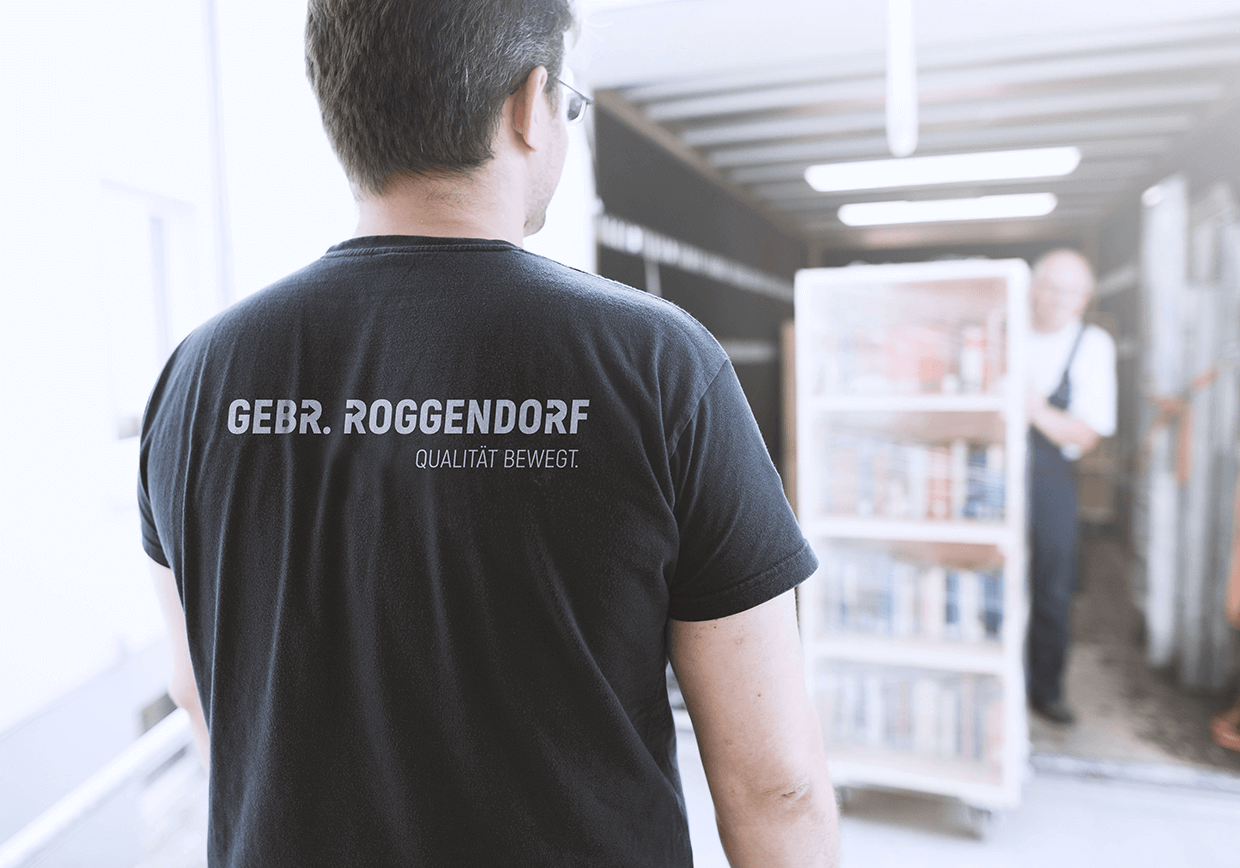
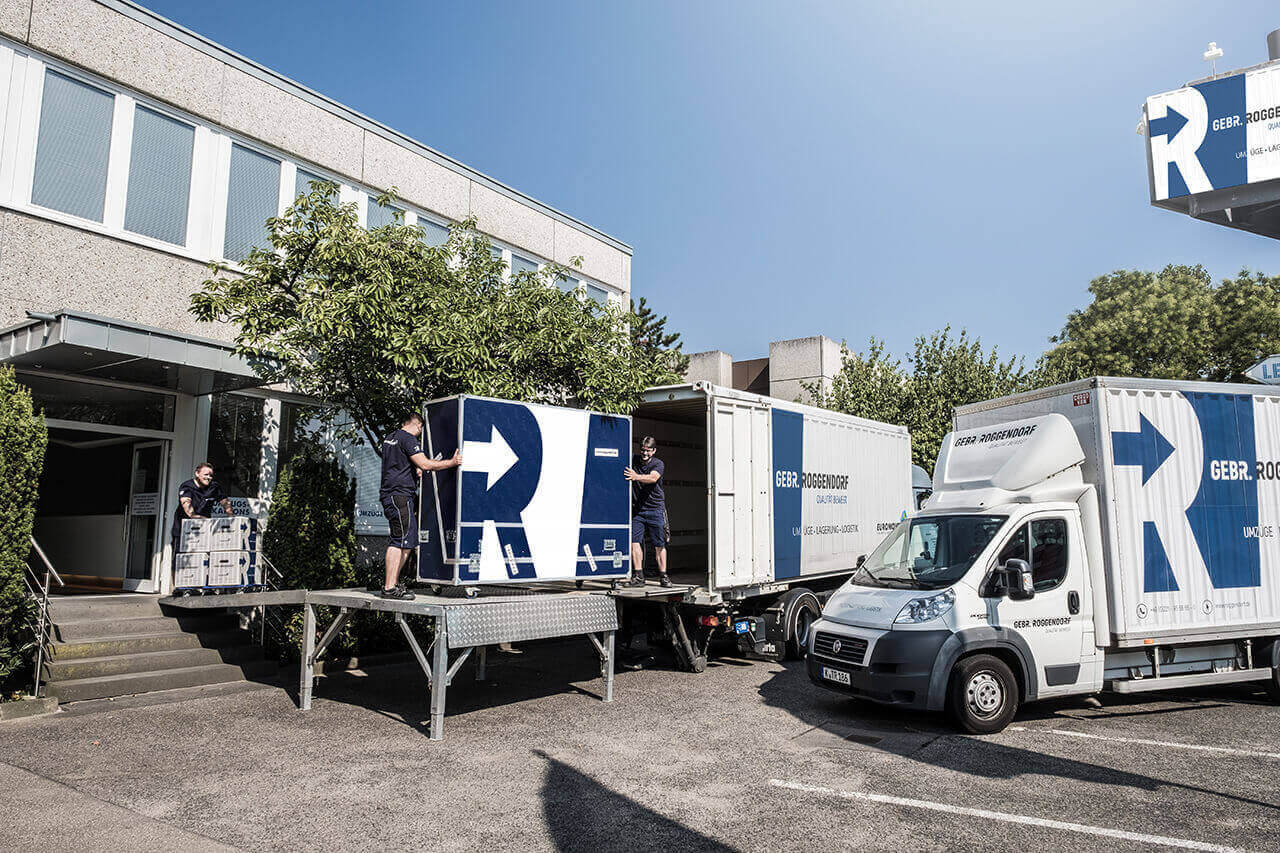
Once the procedure is defined, it’s all about the physical safety of the goods. Artworks, archives, library collections, or medical equipment are packed in such a way as to provide protection while remaining manageable. For archives and libraries, this often means systematic packing, clear labeling, numbered rolling racks, and a structure that can be re-established at the destination.
For temperature-sensitive or humidity-sensitive items, such as laboratory equipment, certain medicines, or IT components, temperature-controlled or especially insulated vehicles can be used as required. Machines and safes are secured with special devices, lifting equipment, and lashing systems to keep them stable even over long distances.
“When the vehicle door closes, we need to have a good feeling: that’s safe. We pass this peace of mind on to our customers.”
During the actual transport, we keep an eye on the schedule, route, and interfaces with your processes. Especially with ongoing clinical operations, government relocations, framework contract moves, or projects that are billed according to moving cost regulations, timing is crucial: Patient care, citizen contact, or internal services should be minimally disrupted.
At the destination, goods are unloaded, positioned, and, if required, assembled, both in offices and in labs, archives, or libraries. During refurnishment projects—when refurbished office furniture is installed or inventories are reorganized—we ensure workspaces can be used again quickly and that new furniture concepts work properly in everyday life.
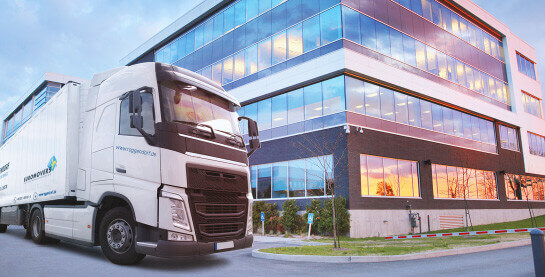
The cost of a special transport depends on various factors:
These include the volume and weight of the shipment, the distance, and the complexity of the transport.
For special transports in urban areas, last-minute permits and special route planning often also need to be considered.
Transporting special items such as machines, medical equipment, or artworks often requires additional safety measures and tailor-made solutions, which can affect the price.
Additionally: For framework contract moves, projects with cost coverage according to fixed guidelines, or for recurring moves for the same client, billing logic, reporting, and documentation are also factors. Such elements are transparently included in the calculation.
“It is important to us that you understand what you are paying for. An honest quote saves discussions on both sides and builds trust.”
A single piano move within Cologne usually remains manageable financially: a few hours, a well-coordinated team, minimal technical effort.
It’s different when moving industrial equipment with crane logistics or relocating a clinic or archive—which may take several days or be done in stages. Here, planning, preparation, material, technology, personnel, and possibly intermediate storage all play a role in the costs.
It’s similar for projects involving refurnishment: when used office furniture is refurbished, relocated, recombined, and reinstalled at several locations, you get a mix of transport, storage, and assembly services.
The challenge is to structure it so that effort and benefit are in a reasonable balance.
A special transport often has particular requirements for planning, technology, and implementation. Large, heavy, or sensitive items must be professionally prepared, secured, and transported. Especially with sensitive projects, many
clients say afterwards: “Good thing it was professionally organized and nothing was left to chance.”
We handle these transports reliably, carefully, and with the necessary experience.
In a corporate environment, the range extends from machine relocations to entire site moves up to framework contract moves for large organizations. This includes regular employee relocations with cost coverage, moves according to defined requirements or under moving cost regulations—even when these cannot be openly advertised with specific terms.
Another area is refurnishment: Companies, public institutions, or housing organizations are increasingly opting for high-quality, refurbished office furniture instead of buying everything new. We manage logistics for these projects, including storage, relocation, delivery, and assembly of the furniture, often combined with internal rearrangements and space optimization.
“With our longstanding experience in machinery logistics, we ensure that even complex machines are transported without complications.”
In the health and education sector, it’s rarely “just” about furniture. A clinic or hospital move includes medical devices, beds, laboratory equipment, files, sometimes whole archives. Here, hygiene regulations, data protection, business processes, and technology must work together perfectly.
Archive and library moves are just as demanding: Collections must remain in order, signatures and systems must not be mixed up. We work with clear labeling systems, structured packing and placement plans, and coordinated stages, so that after the move you can find what you need, from the patient file to the book on the shelf. If files must be disposed of as part of an archive project, file disposal takes place in accordance with legal requirements (data protection, documentation, and secure processes).
Special transports are sometimes also needed for private customers, for example to move a piano, a work of art, or antiques. For such valuable items we offer tailored solutions to provide maximum protection.
“We handle every single item we transport with the same care as if it were our own. Our customers know they can rely on us.”
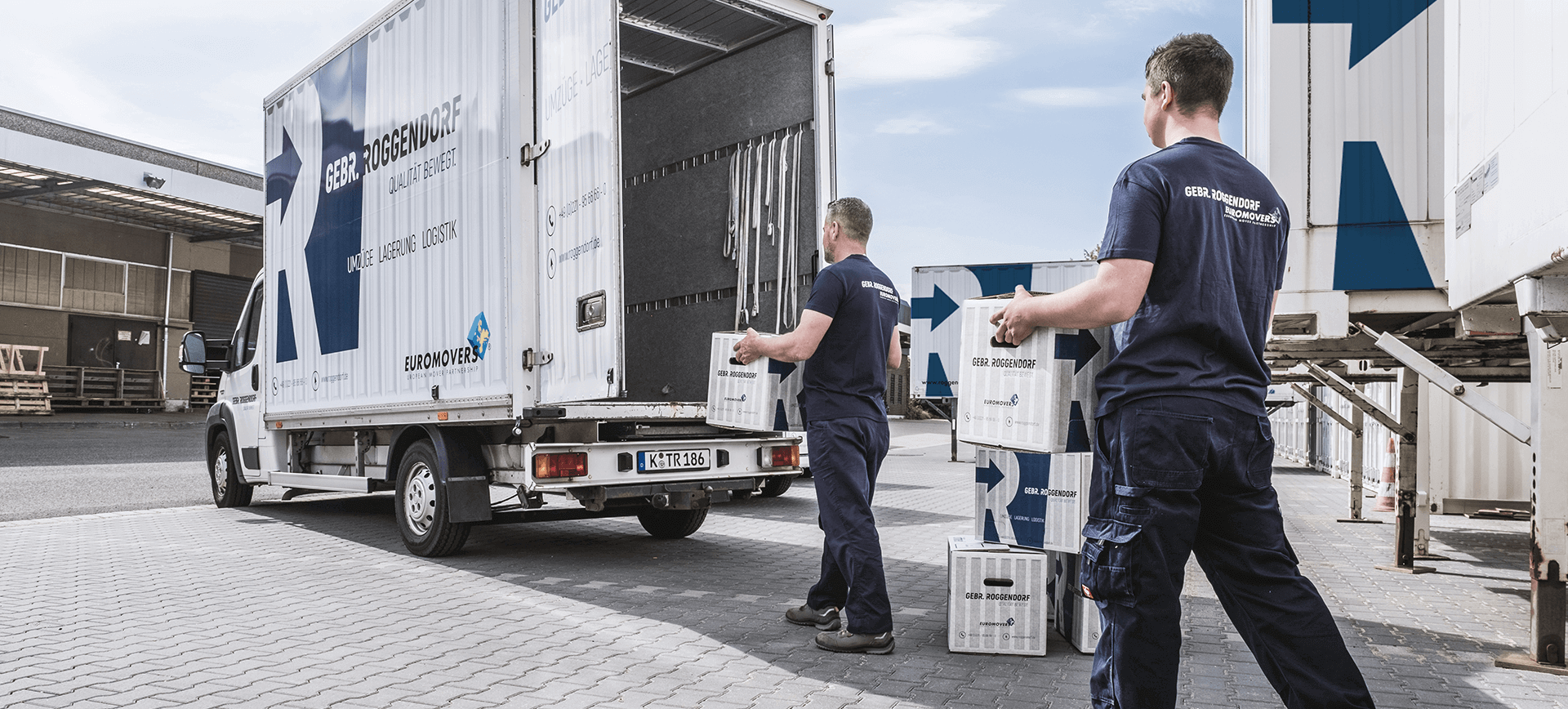
Anyone who regularly travels in and around Cologne knows:
The city has its quirks. Narrow old town streets, temporary closures, large events, and construction sites require flexibility and local knowledge. This means planning routes, realistically assessing time slots, and being able to quickly adapt plans if needed for special transports.
Especially for projects with many parties involved, such as clinic, archive, or framework contract moves, it helps to have a partner who knows Cologne and the region and quietly pulls the strings in the background.
Many projects don’t end at the city limits. Machines are moved abroad, hospital and laboratory areas are transferred between locations, archives are merged. Then matters such as customs, country-specific regulations, and longer transit times also come into play.
Through our network, we organize such transports so that, for you, everything feels as if it comes “from a single source”—no matter if it’s within NRW, across Germany, or internationally.
Special transports, clinic and archive moves, library relocations, framework and employee moves, refurnishment logistics—these are not projects to be handled “in passing.” They require planning, experience, and a team that takes responsibility, not just “carries boxes.”
Gebr. Roggendorf GmbH stands for this: a dependable partner who listens, thinks ahead, and organizes execution professionally.
If you are planning a special transport, a sensitive move with cost coverage, or a complex project with many participants, talk to us. Together, we will find a solution that works professionally and truly helps you in your daily routine.
You are currently viewing a placeholder content from Vimeo. To access the actual content, click the button below. Please note that doing so will share data with third-party providers.
More InformationYou are currently viewing a placeholder content from YouTube. To access the actual content, click the button below. Please note that doing so will share data with third-party providers.
More InformationYou need to load content from reCAPTCHA to submit the form. Please note that doing so will share data with third-party providers.
More InformationYou are currently viewing a placeholder content from TrustIndex. To access the actual content, click the button below. Please note that doing so will share data with third-party providers.
More Information